
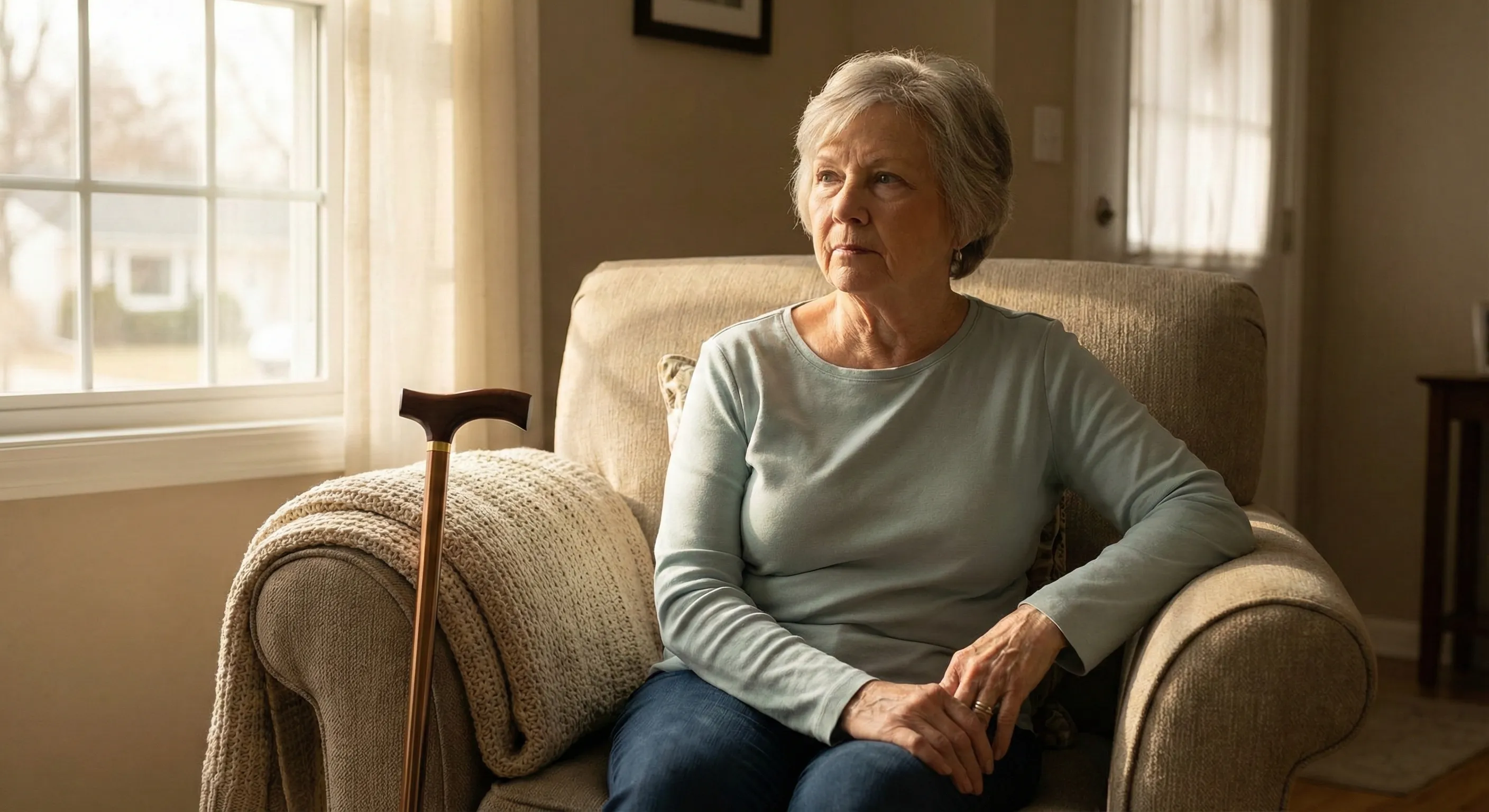
After a fall.

It happened. Maybe it was minor. Maybe it wasn't. Either way, it changed everything.

A fall is often a turning point β€” even when everyone says it was "nothing."

For families, a fall creates fear. For the person who fell, it often creates a quieter fear: of moving, of being seen as fragile, of losing independence.

The statistics are clear: once someone has fallen, they're significantly more likely to fall again. And the consequences tend to get worse each time.

That's not a reason for panic. It's a reason for awareness and action.

What Families Need to Know

1 in 4 adults over 65 falls each year
50% who fall once will fall again within a year
#1 cause of injury-related death in older adults

Falls are the leading cause of fatal and non-fatal injuries in adults 65+. Most are preventable.

What Happens After a Fall

😨

Fear of falling

Even after recovery, the fear often remains β€” leading to less movement and faster physical decline.

🚢

Reduced mobility

To avoid falling again, people move less. Less movement leads to weakness. Weakness increases fall risk.

πŸŒ™

Nighttime risk increases

Bathroom trips, grogginess, poor lighting β€” nighttime falls are common and often more serious.

🀐

"Silent consequences"

Bruising, chronic pain, reduced confidence β€” effects that linger but don't always get reported.

Why Falls Repeat

Falls usually aren't random bad luck. They're symptoms β€” of something environmental, physical, or medical that hasn't been addressed:

  • Home hazards β€” loose rugs, poor lighting, slippery floors, cluttered pathways
  • Medication effects β€” dizziness, blood pressure changes, sedation
  • Balance and strength decline β€” often gradual, often unnoticed
  • Vision changes β€” depth perception, glare sensitivity, untreated cataracts
  • Footwear β€” slippers, worn soles, inappropriate for the home environment

The fall itself is usually the result. Unless you address the cause, the next one is just a matter of time.

What Helps

1

Identify what went wrong

A post-fall safety review evaluates the home, circumstances, and contributing factors β€” so you know what to fix.

2

Fix the fixable

Targeted modifications β€” grab bars, lighting, rug removal, bathroom safety β€” address the most common risk factors quickly.

3

Watch for pattern changes

Monitoring tracks movement and activity so family knows when gait, balance, or routine is changing β€” before the next fall.

What Families Actually Want to Know

"Mom fell last month. She says she's fine, but we're terrified it'll happen again β€” and next time no one will be there."

That fear is valid. But the answer isn't to wrap someone in bubble wrap β€” it's to reduce the risks they face every day and have visibility into how they're actually doing.

Falls are often preventable. Repeat falls almost always are β€” with the right knowledge and setup.

Why noticing small changes matters

πŸ“‰

Changes in gait and movement often precede another fall

🚢

Reduced activity after a fall signals increasing risk

πŸ›οΈ

Nighttime bathroom patterns reveal fall-prone moments

πŸ‘οΈ

Passive awareness catches changes before the next incident

We Serve Families Near You

Research shows that environmental factors contribute to the majority of fallsβ€”and a first fall greatly increases the risk of a second.

In situations like this, the most effective next step is a professional home safety reviewβ€”to identify what caused the fall and prevent the next one.

A fall just happened.

Let's figure out why β€” and what needs to change so it doesn't happen again.