Insight

The 'Nurse-Vetted' Seal: Simplifying Caregiver Choices with Clinically Tested Care-Stacks for Aging-in-Place

Families don't need more options — they need the right ones. Here's how clinical vetting and integrated Care-Stacks are cutting through the noise.

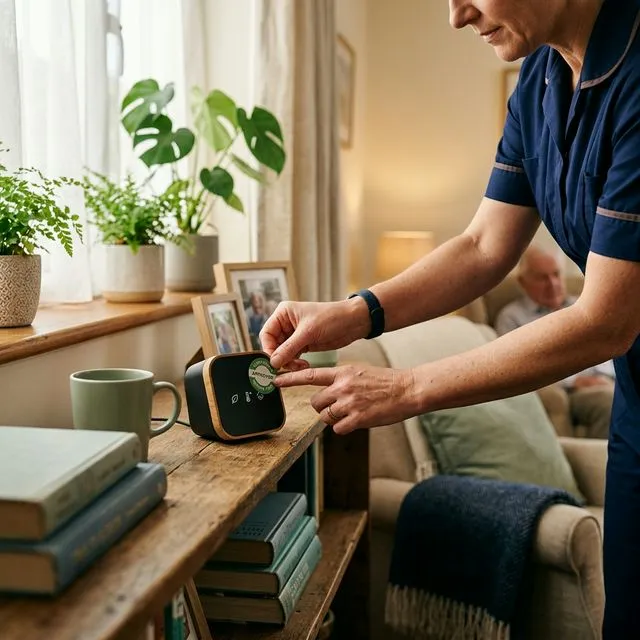
Nurse placing an approval seal on an environmental sensor device in a warm, well-lit senior living room

Caregiving is an act of love that's as rewarding as it is daunting. I've stood in the medical gadget aisle, feeling like I was trying to solve a Rubik's cube blindfolded. So many choices, each claiming to be the best.

On LinkedIn and caregiving forums, the conversation keeps circling back to "The Fatigue of Choice." Families don't need more options — they need the right ones. This is where the "Nurse-Vetted" Seal of Approval steps in.

The Fatigue of Choice in Caregiving

Picture this: you're scrolling through Amazon, confronted with 4,000 different "smart" fall sensors. Your mind races because your parent needs one to stay safe, but which do you choose? It's not just about the sensor — it's about one that will work when the Wi-Fi inevitably goes down.

The fatigue from these endless choices is all too real. According to a 2025 survey by A Place for Mom, 78% of caregivers report burnout, overwhelmed by both their responsibilities and the barrage of decisions they must make. 30% feel unprepared when they start.

What Is the Nurse-Vetted Seal?

The Nurse-Vetted Seal isn't just a sticker — it's a commitment. It tells families that clinical professionals have rigorously tested these products. It's a silent pact that assures families they're not just picking gadgets but choosing critical tools for safe, effective care.

In a sea of noise, this seal stands out as a beacon of trust.

The Rising Demand for Trustworthy Solutions

As our population ages, the need for dependable caregiving solutions is skyrocketing. By 2030, every baby boomer will be over 65, representing a substantial segment of our population. This demographic shift underscores the necessity for reliable products that families can trust.

The Problem: The Gadget-Grab Phenomenon

I've seen families fall into the "Gadget-Grab" trap, buying various DIY tech solutions hoping to cobble together a care system. It's like trying to assemble a puzzle with pieces from different sets — nothing fits right.

⚠️

False Alarms

Gadgets that don't communicate well with each other lead to constant false alarms — costly financially and emotionally.

😓

Emotional Strain

A 2024 NAC report found 60% of caregivers experience high emotional stress. When tech fails, that stress escalates.

💸

Financial Drain

Average annual caregiving tech costs rose 15% between 2015–2020. Families pay again for replacements and repairs.

These devices often create a "Frankenstein" system that's more headache than help. The Nurse-Vetted Seal aims to alleviate this by ensuring products are reliable, effective, and compatible from the start.

The 2026 Trend: Curated Care-Stacks

Looking ahead to 2026, we're seeing a shift from "all-in-one" kits to Curated Care-Stacks. These are collections of top-notch solutions, each excelling in a particular area of care. It's about quality over quantity, recognizing that no single device can meet every need.

🏆

Best-of-Breed Solutions

Products are chosen based on thorough clinical testing and real-world performance — often by nurses or other healthcare professionals.

🔗

Integration & Interoperability

Devices must work together to provide complete care. A fall sensor should communicate with a home assistant to alert caregivers instantly.

🤖

AI-Enhanced Care

AI predicts potential health issues by analyzing data patterns — detecting changes in movement that signal a higher risk of falls.

Real-Life Example: Integrated Care in Action

A heart rate monitor detects an irregular reading. The system checks if medication was missed via the connected dispenser. If so, it sends an alert to both the caregiver and the patient, prompting immediate action — potentially preventing a serious health event.

The StillWell Edge: Systems Integration for Families

At StillWell Health, we get it — the caregiving tech landscape is complex. That's why we're more than just a technology provider; we're a Systems Integrator. We've performed "White-Box" testing — where every component is tested for compatibility and performance — so families don't have to.

Why White-Box Testing Matters

White-box testing delves into the internal workings of tech solutions, ensuring they meet high standards. It's not just about whether a device works — it's about how it works with other devices. By integrating systems, we help families build cohesive caregiving environments that reduce stress and improve outcomes.

🏠 Real-World Integration

A fall sensor, a medication dispenser, and a video monitoring system all communicate effectively. If a fall is detected, the system checks if medication was missed and notifies a caregiver.

🔒 Data Security

Integrated systems must safeguard sensitive health information. We prioritize data encryption and secure transmission to keep personal health data confidential.

📚 Training & Support

Beyond integration, we offer user-friendly guides and 24/7 customer service so families can effectively use their caregiving systems.

The Insight: From Commodities to Lifelines

Not all care products are created equal. A fall sensor might seem like just another gadget, but a Nurse-Managed Alert Response transforms it into a lifeline. It's not just about detecting a fall — it's about ensuring the right response follows.

The Value of Managed Services

Managed services offer continuous support and monitoring, which can drastically improve outcomes. Nurse-managed systems provide real-time alerts to healthcare professionals, enabling faster and more appropriate responses to emergencies.

Case Study: 30% Fewer ER Visits

One family using a nurse-managed service reported a 30% reduction in emergency room visits over a year. The service ensured timely responses to alerts, preventing situations from escalating.

This underscores the importance of having a system that not only detects issues but also manages them effectively.

Leveraging Telehealth for Better Outcomes

Telehealth services integrated with nurse-managed systems can further enhance caregiving. Through virtual consultations and remote monitoring, healthcare providers offer timely advice and interventions — reducing the need for in-person visits, saving time and reducing stress for both caregivers and care recipients.

The Future of Caregiving in 2026

As we move toward 2026, the significance of the Nurse-Vetted Seal becomes increasingly clear. Families and providers must prioritize vetted solutions that offer reliability and peace of mind.

For independent practices, adopting these standards can open new avenues for revenue through CMS reimbursement programs. By embracing vetted technologies, practices not only enhance patient care but also position themselves as leaders in the caregiving community.

Call to Action for Independent Practices

Independent physician practices with 1–5 providers have a unique opportunity to lead in adopting nurse-vetted standards. By doing so, they can provide their patients with the best possible care, reduce caregiver stress, and tap into new revenue streams.

In the end, caregiving should be about care, not chaos. With the Nurse-Vetted Seal, families can find the tools they need to focus on what truly matters: supporting their loved ones with confidence and compassion.

Frequently Asked Questions

What is the Nurse-Vetted Seal of Approval?

The Nurse-Vetted Seal is a certification indicating that clinical professionals — typically nurses or other healthcare providers — have rigorously tested and validated a caregiving product or system for safety, reliability, and real-world effectiveness.

What are Curated Care-Stacks?

Curated Care-Stacks are purpose-built collections of best-of-breed caregiving solutions, each excelling in a specific area. Rather than relying on one all-in-one kit, Care-Stacks combine individually vetted devices — like fall sensors, medication dispensers, and monitoring tools — into an integrated system.

Why is integration important for aging-in-place technology?

Without integration, individual devices create a 'Frankenstein' system that often leads to false alarms, missed alerts, and caregiver frustration. Interoperable systems share data and work together, ensuring timely and accurate responses when a health event occurs.

What is White-Box testing for caregiving technology?

White-Box testing examines the internal workings and compatibility of technology components, not just whether they power on. It verifies that devices communicate correctly with each other, that alerts route properly, and that the entire system performs reliably under real-world conditions.

How does a Nurse-Managed Alert Response differ from a standard fall sensor?

A standard fall sensor detects a fall and sends a notification. A Nurse-Managed Alert Response goes further: it ensures a trained clinician reviews the alert, checks context (like whether medication was missed), and coordinates the right response — turning a gadget into a lifeline.

Colton Henderson, Founder of StillWell Health

About the Author

Colton Henderson, MSN, RN

Colton Henderson is the founder of StillWell Health, a nurse by trade with experience in emergency care, healthcare SaaS, and aging-in-place solutions. He helps families across Greater St. Louis and Southern Illinois keep seniors safe at home.

Ready to simplify your caregiving technology?

Our nurse founder personally reviews your family's situation and recommends clinically vetted solutions that work together — no Frankenstein systems, no guesswork.

Call Us Book a Safety Review