
Free Guide

Fall Prevention for Seniors: A Family's Complete Guide

Falls are the #1 cause of injury among older adults — but most are preventable. This guide covers the risk factors, room-by-room prevention tips, and practical steps families can take today.

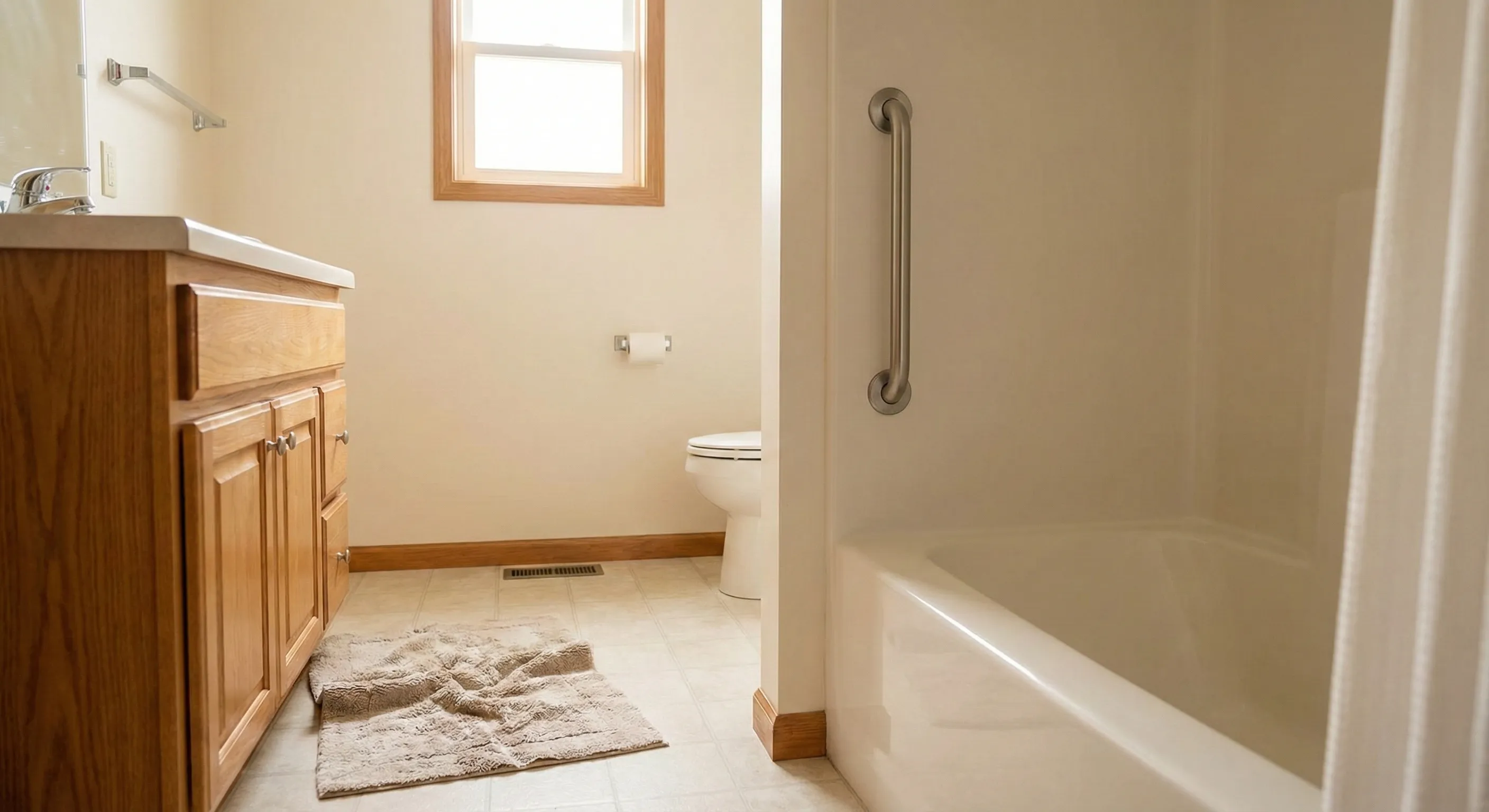
A senior's bathroom showing common fall hazards like a slippery floor and lack of grab bars near the bathtub

Why Fall Prevention Matters

Falls aren't just "part of getting older." They're the leading cause of injury-related death among adults over 65 — and the leading cause of emergency room visits for older adults.

1 in 4 seniors fall each year
3M+ ER visits from falls annually
80% of falls involve environmental factors

The good news: most falls are preventable with the right combination of environmental changes and awareness.

Common Fall Risk Factors

Falls rarely have a single cause. They result from a combination of environmental hazards, physical changes, and medication effects.

🏠 Environmental Risks

  • Poor or dim lighting
  • Loose rugs and unsecured cords
  • Cluttered walking paths
  • No grab bars in bathrooms
  • Slippery floors or bathtubs
  • Uneven thresholds and stairs

💊 Physical & Medical Risks

  • Medications causing dizziness
  • Vision changes
  • Muscle weakness or deconditioning
  • Balance disorders
  • Chronic conditions (arthritis, diabetes)
  • Previous falls

Room-by-Room Fall Prevention Tips

🚿 Bathroom

  • Install grab bars near toilet and shower
  • Use non-slip mats inside and outside tub
  • Consider a shower seat or bench
  • Ensure adequate lighting
  • Keep frequently used items within reach

🛋️ Living Areas

  • Remove loose rugs or secure with non-slip backing
  • Keep walking paths clear of clutter
  • Secure electrical cords along walls
  • Ensure furniture is stable and not wobbly
  • Add lighting to dark corners and hallways

🛏️ Bedroom

  • Place a lamp within reach of the bed
  • Use nightlights for nighttime navigation
  • Keep phone accessible from bed
  • Ensure bed height allows easy sitting/standing
  • Clear path from bed to bathroom

🚪 Entryways & Stairs

  • Install handrails on both sides of stairs
  • Ensure outdoor steps are well-lit
  • Repair loose or uneven steps
  • Use non-slip strips on step edges
  • Keep entryways clear and dry

🍳 Kitchen

  • Store frequently used items at counter height
  • Use a sturdy step stool (never a chair)
  • Clean spills immediately
  • Ensure adequate lighting at work surfaces
  • Use non-slip mats at sink areas

🏡 Whole Home

  • Install light switches at room entrances
  • Consider motion-activated lighting
  • Ensure smoke detectors are accessible
  • Keep emergency contacts visible
  • Review medications for fall-risk side effects

When to Get a Professional Assessment

A DIY checklist is a great start — but some risks are hard to spot without professional training. Consider a professional home safety assessment if:

⚠️

Your parent has fallen — even once

💊

Medications have recently changed

🚶

You've noticed mobility or balance changes

🏥

They've been recently hospitalized

👁️

Vision has declined

🤷

You're not sure what to prioritize

A professional assessment identifies risks families often miss and provides a prioritized action plan — not a generic checklist.

Types of Fall Prevention Programs

Exercise-Based Programs

Tai chi, balance training, and strength exercises reduce fall risk by improving stability and muscle strength. Many community centers offer programs specifically for older adults.

Home Modification Services

Professional assessment followed by targeted improvements — grab bars, lighting, accessibility changes. Addresses the environmental factors that contribute to most falls.

Monitoring & Awareness

Passive monitoring systems that track daily patterns and alert family members to changes that could indicate increased fall risk — without cameras or wearables.

The most effective approach combines environmental modifications with ongoing awareness. StillWell Health integrates both through safety assessments, home modifications, and optional monitoring.

Frequently Asked Questions

What are the most effective fall prevention strategies for seniors?

The most effective strategies combine environmental modifications (removing hazards, improving lighting, installing grab bars), physical health management (medication review, vision checks, balance exercises), and ongoing awareness (monitoring routine changes, regular safety reviews). A professional home safety assessment identifies which strategies matter most for each individual.

How common are falls among seniors?

According to the CDC, one in four Americans aged 65+ falls each year. Falls are the leading cause of injury and injury-related death among older adults. However, most falls are preventable with proper environmental modifications and awareness.

What are the main risk factors for falls in elderly adults?

Key risk factors include poor lighting, loose rugs and clutter, lack of grab bars in bathrooms, medication side effects (dizziness, drowsiness), vision problems, muscle weakness, and chronic conditions affecting balance. Environmental factors account for the majority of fall-related injuries at home.

When should I get a professional fall risk assessment?

Consider a professional assessment after any fall (even a 'minor' one), when you notice changes in mobility or balance, after a hospitalization, when medications change, or if you're simply concerned about an aging parent's safety at home. Early assessment prevents future incidents.

Can home modifications really prevent falls?

Yes. Research consistently shows that targeted home modifications — grab bars, improved lighting, removal of trip hazards, and accessibility improvements — significantly reduce fall risk. Professional assessment ensures modifications address the specific risks in each home.

Colton Henderson, Founder of StillWell Health

About the Author

Colton Henderson, MSN, RN

Colton Henderson is the founder of StillWell Health, a nurse by trade with experience in emergency care, healthcare SaaS, and aging-in-place solutions. He helps families across Greater St. Louis and Southern Illinois keep seniors safe at home.

Concerned about fall risk?

A professional Home Safety Review identifies the specific risks in your parent's home — and provides a clear, prioritized plan to address them.

Call Us Book a Safety Review